Clothing as an interface for emotion.
Emotions Undone is a speculative design project that explores how wearable technology can make emotions more visible and easier to communicate. The concept imagines a future where a soft, AI-powered textile wristband interprets emotional cues through biometric data from health trackers and smartphones, transforming them into dynamic colours and patterns inspired by the Indian Rasa Theory. Combining colour psychology, textile design, and emerging technologies, the project reimagines clothing as an interface for emotional expression rather than decoration. Drawing inspiration from Indian textiles, Rogan art, and smart fabrics, the project demonstrates how design can bridge the gap between technology and human emotion, creating more empathetic interactions in everyday life.
Emotional wellbeing stays invisible.
Emotions are often difficult to express, and many people struggle to communicate when they need understanding or support. Existing wearable devices primarily monitor physical health, leaving emotional wellbeing largely invisible. As a result, friends, family, and caregivers may not recognise signs of stress, anxiety, or emotional distress until much later. Emotions Undone explores how technology could make emotions more visible in a respectful, non-verbal way. By translating emotional states into changing colours and textile patterns, the project investigates how wearable design can foster empathy, encourage meaningful conversations, and strengthen emotional awareness while respecting the deeply personal nature of human feelings.
Research-led, made by hand.
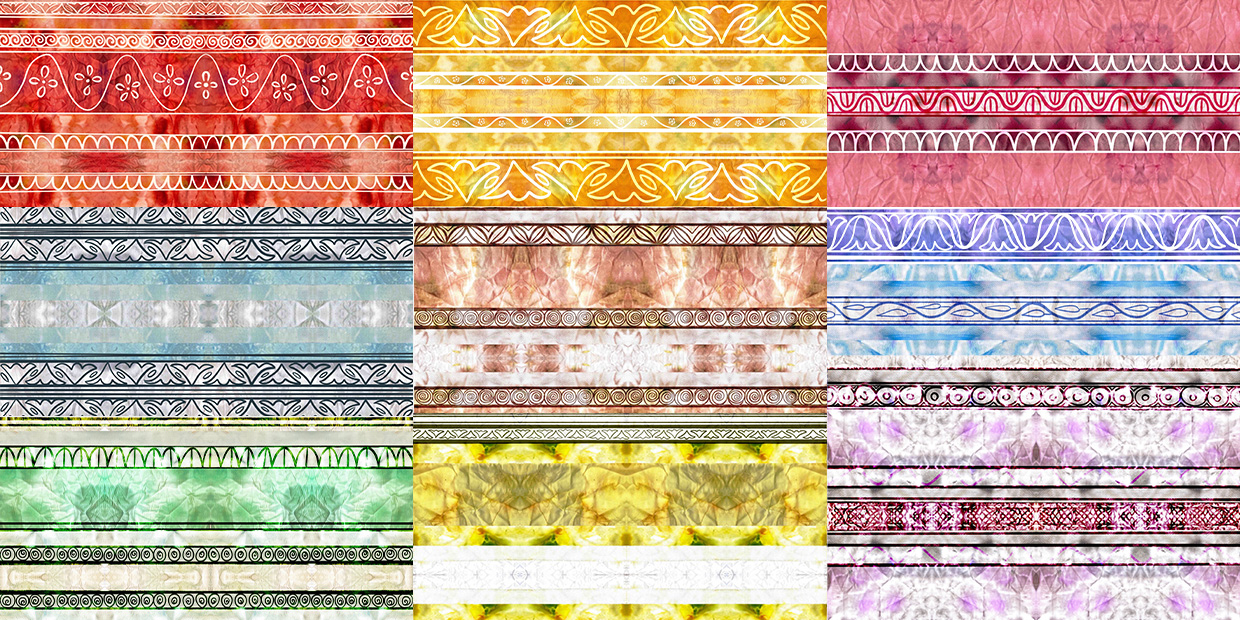
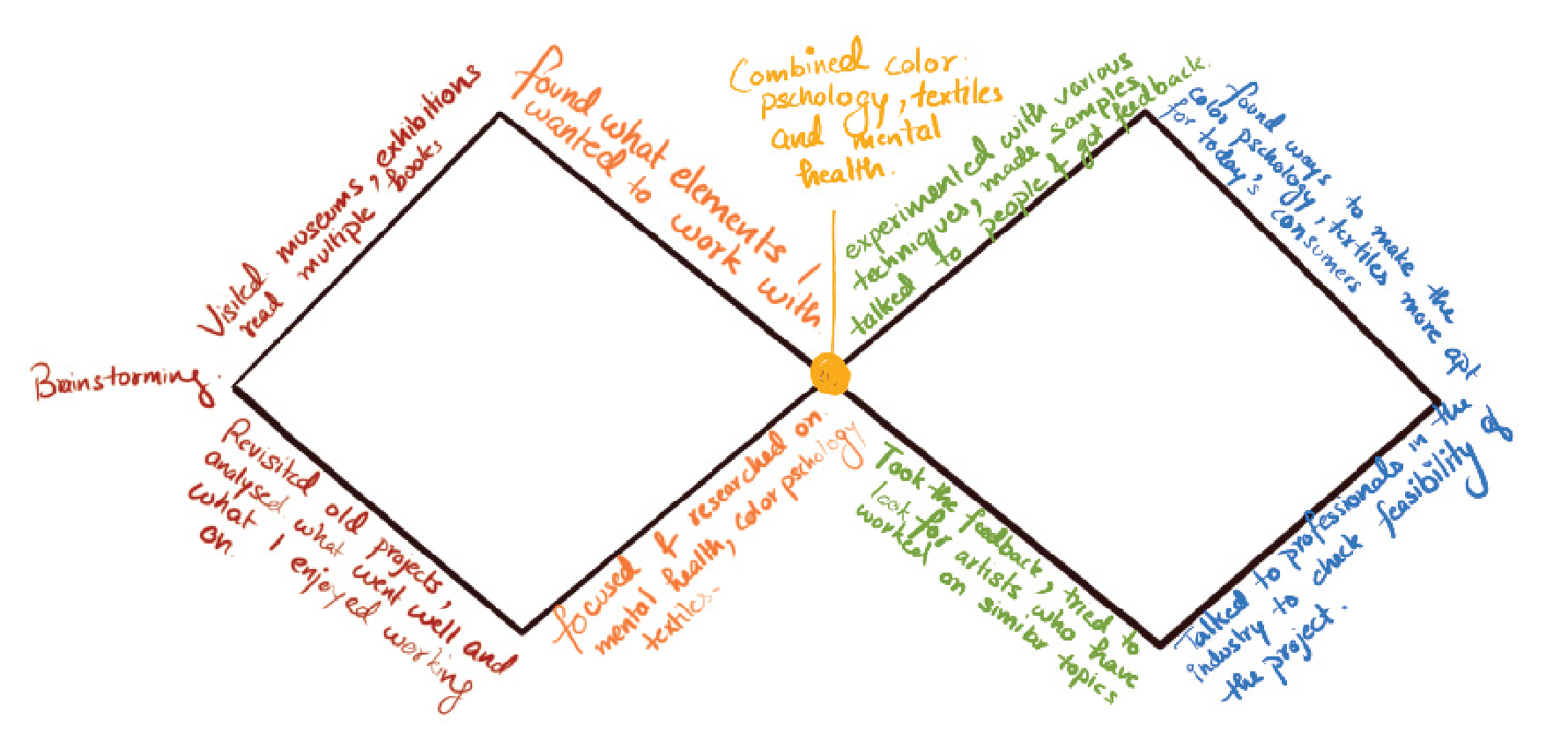
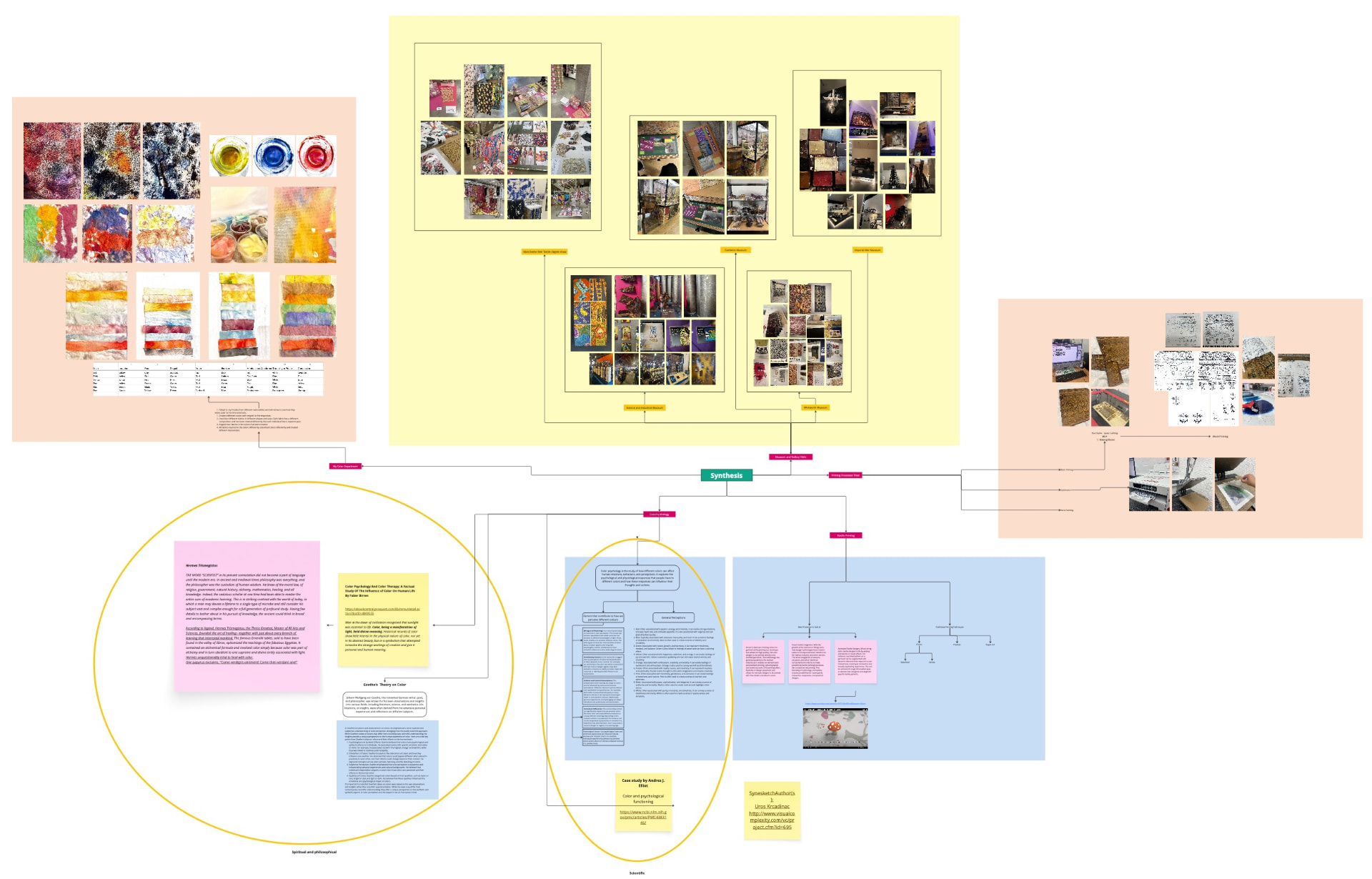
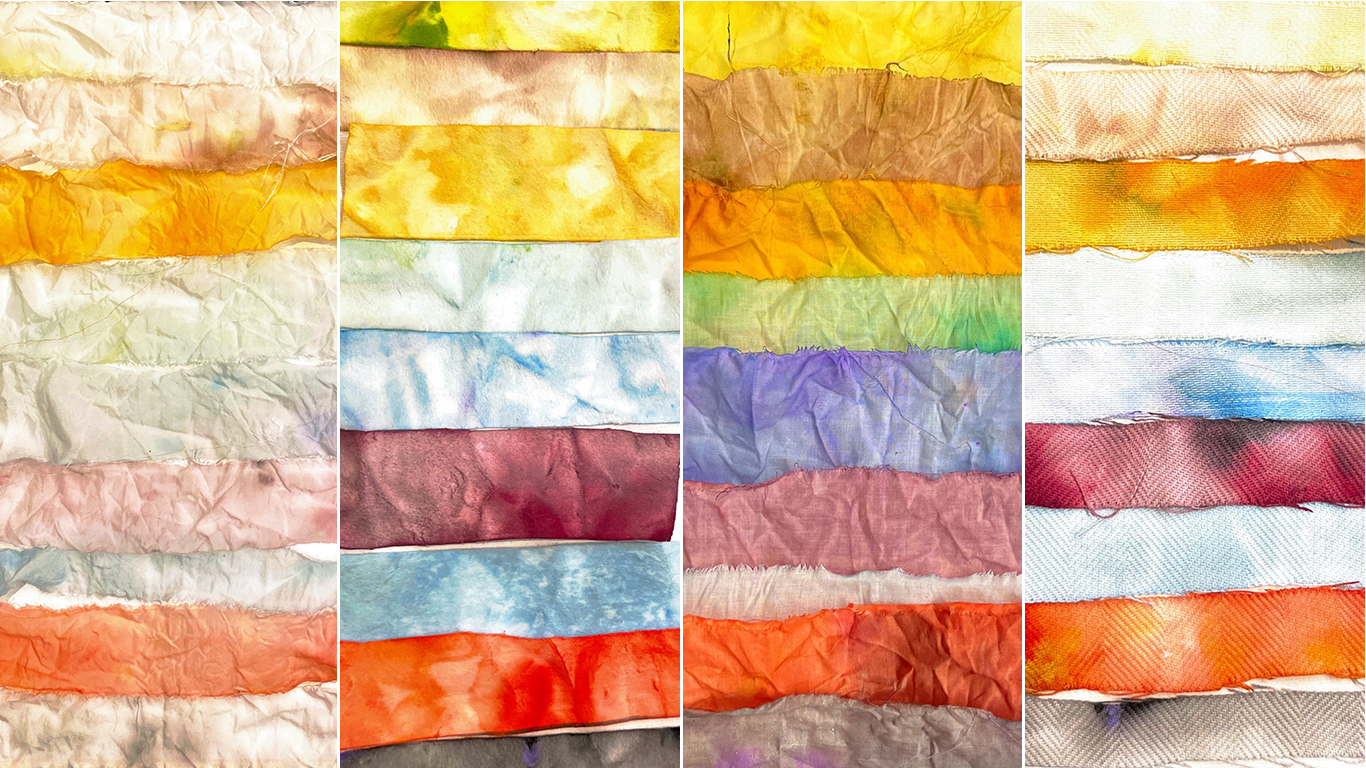
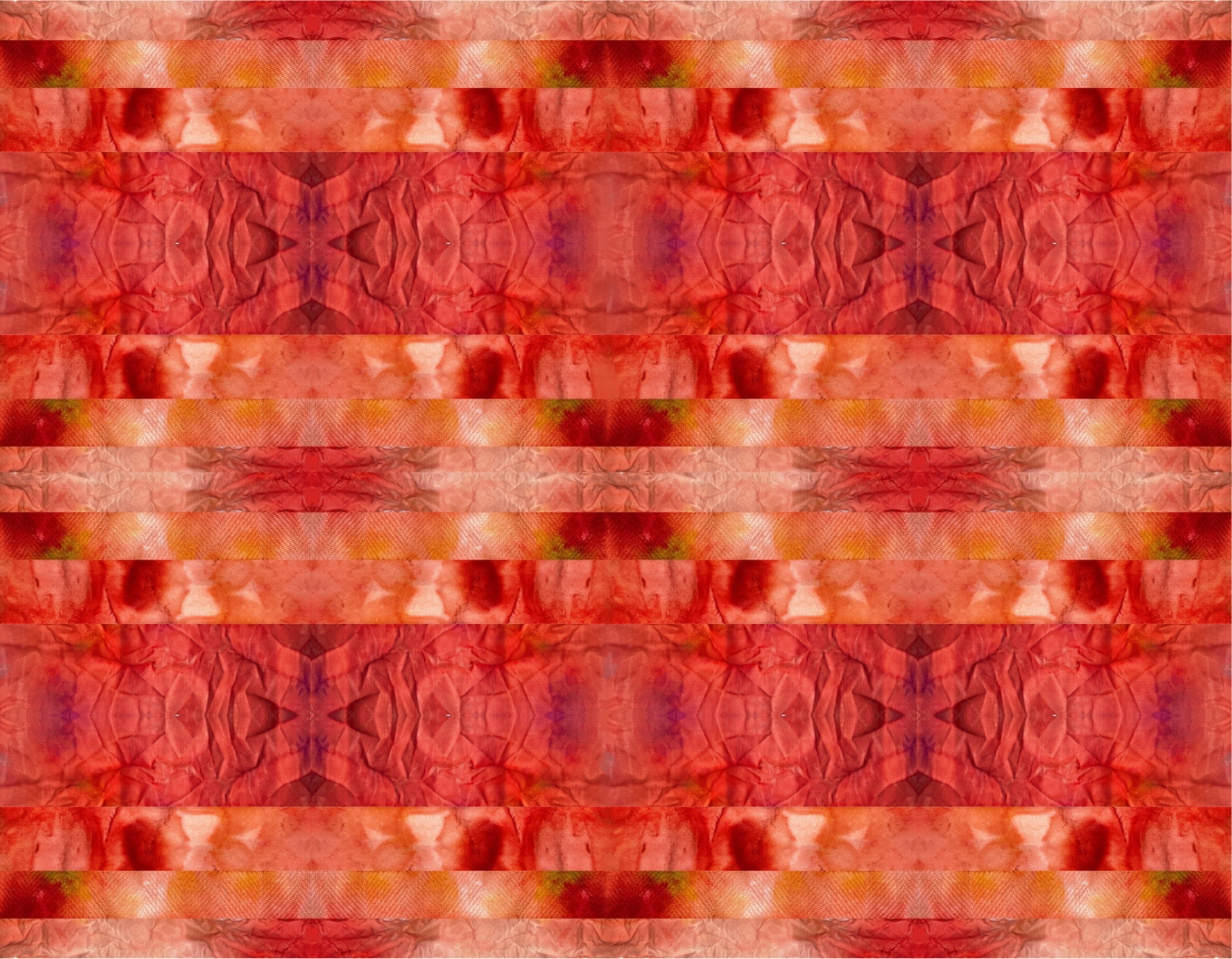
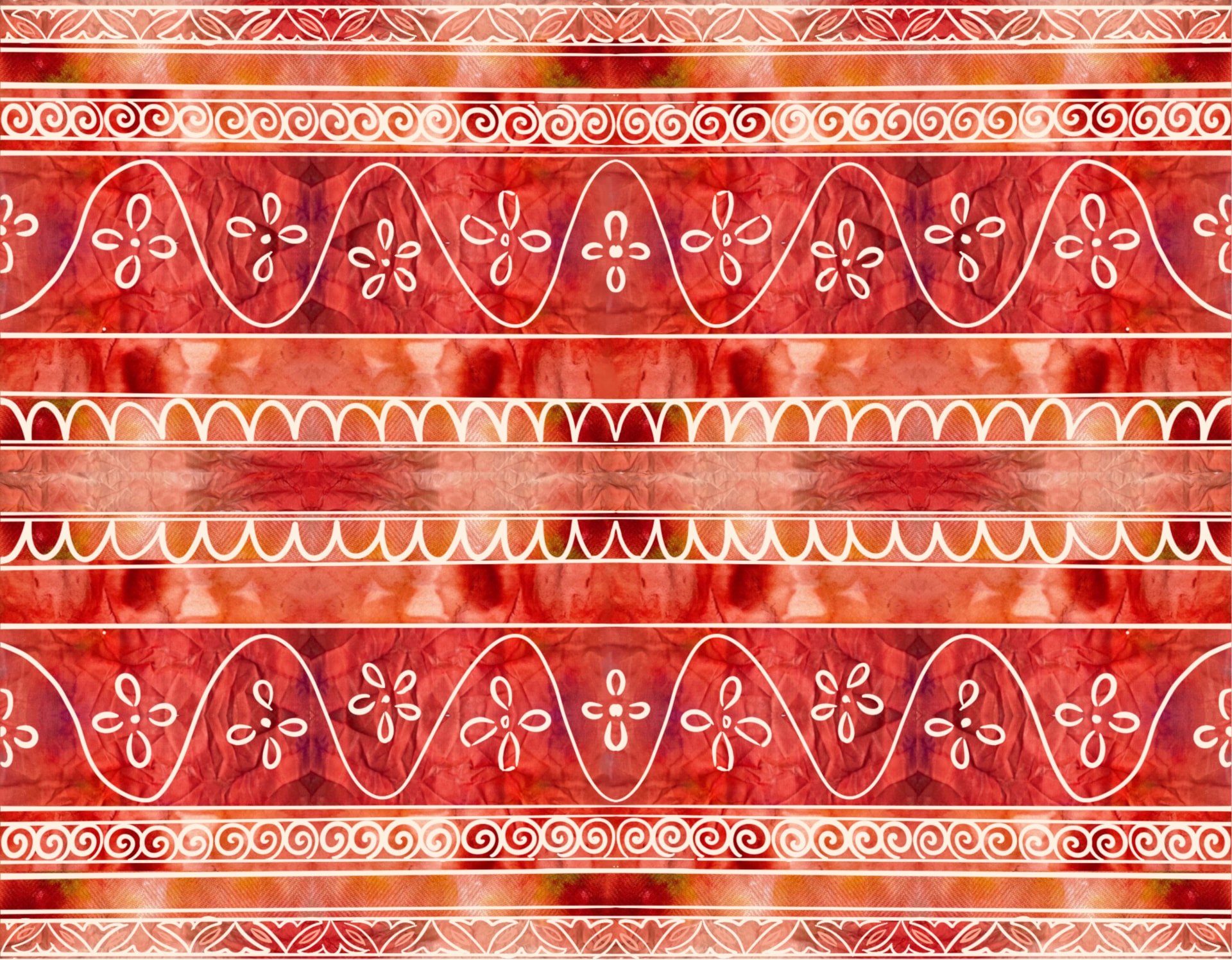
The project followed an iterative research-led process combining design thinking with material exploration. I began by studying colour psychology, emotion theory, and the Indian Rasa Theory to understand how different cultures associate colour with emotion. This research was supported by user interviews exploring personal colour-emotion relationships across diverse backgrounds. I then experimented with dyes, textures, fabrics, and traditional Rogan art to create expressive textile patterns. These explorations resulted in nine original patterns representing the nine Rasas. Finally, I investigated smart textiles, augmented reality, and interactive fabric technologies to imagine how these physical patterns could become dynamic, AI-driven interfaces capable of responding to a person's emotional state in real time.
A wristband that speaks in colour.
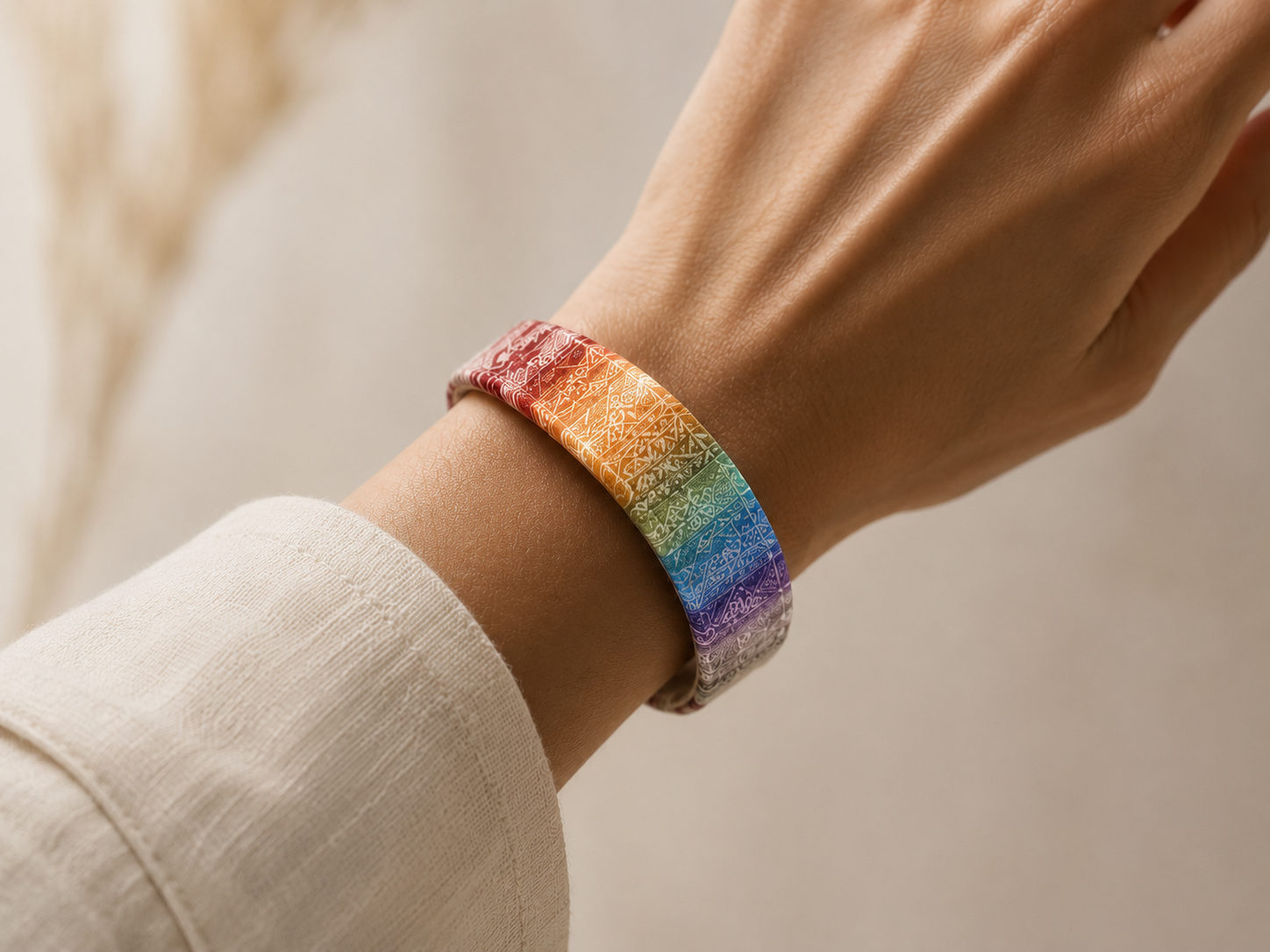
The final proposal envisions a lightweight, unisex wearable wristband made from intelligent textiles that seamlessly integrates into everyday life. Connected to existing health devices and powered by AI, the wearable interprets biometric signals and contextual data to infer a user's emotional state. Instead of displaying notifications or text, the fabric gently changes its colours and Rogan-inspired patterns to communicate emotions using a carefully researched visual language. This enables non-verbal emotional expression while helping friends, family, and caregivers recognise when someone may need comfort, space, or support. The concept positions wearable technology not just as a health tracker, but as a medium for empathy and human connection.
Craft heritage meets adaptive textiles.
The visual language of Emotions Undone combines traditional Indian craftsmanship with future-facing technology. Every colour palette and pattern was developed through research into colour psychology, cultural symbolism, and the nine emotions described in the Rasa Theory. Rogan art influenced the symmetrical motifs, while fabric experiments introduced natural textures that make each emotion feel tactile and authentic. Rather than using rigid digital displays, the concept proposes soft, adaptive textiles that feel comfortable enough for everyday wear while subtly communicating emotional changes. The result is a wearable that balances aesthetics, cultural heritage, and emerging technology, demonstrating how thoughtful design can transform textiles into emotionally intelligent interfaces for the future.